604-660-9382 or 1-800-663-1441
Alcohol and Drug Information and Referral Line
Provides information and referral services for people needing help with any kind of substance use.
Provides information and referral services for people needing help with any kind of substance use.

In this video, Maureen talks about the role of schools in promoting mental well-being and preventing mental health challenges and the importance of the district’s collaboration with public health to create a common understanding of mental health terminology in the community.
Resources for children and families on how to feed and eat joyfully and confidently.
Separation and divorce can be a highly emotional time and stressful experience for children and youth, and tough to process at any age. This minisode addresses questions from BC families.
We created this video because it is helpful to know what to expect when starting a journey with us. This video will provide an overview of what we offer, how we can work together, and what you can expect!
In this episode, Saleema and her guest Ginny, share four fundamental principles for nurturing a positive learning mindset and introduce a simple yet effective way to boost children's confidence in their learning and abilities.
When we look at the mental health and well-being of children and youth, protective factors can help buffer against negative life experiences and support student wellbeing. When it comes to supporting protective factors, schools play an important role.
HELP brings together scientific viewpoints to address complex early child development issues to improve the health and well-being of children.
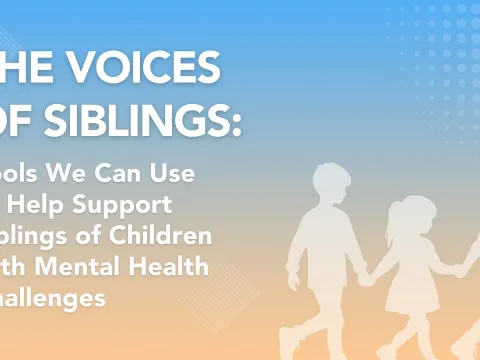
In this webinar, we discuss the role of youth and children who have a sibling living with mental health challenges. Siblings play an important role in the family dynamic. It is common to get questions on how we can best support them and respond to questions that they ask.
Multi-language resource
Children and youth grieve differently than adults but there are things you can do to help. Check out these resources for other ways to support your child through grief and loss.
these are some words you want to keep it to around 180 characters in total. it's not that hard as you shouldn't be too wordy here.
Through real stories, expertise, and practical tips, this podcast helps families promote their mental health and wellness, navigating important topics to meet you where you are in your journey.



Call 911 or go to your local hospital’s emergency room if you or anyone else’s safety is at risk and immediate help is needed.
If you or someone you know is thinking about ending their own life, or needs someone to talk to about suicidal thoughts or ideas:
For mental health or substance use crisis support:
For commonly asked questions about supports and services in BC, explore our Ask Kelty Mental Health tool.