bc
Caregiver Journey and Resources (2025) - Powerpoint
these are some words you want to keep it to around 180 characters in total. it's not that hard as you shouldn't be too wordy here.
these are some words you want to keep it to around 180 characters in total. it's not that hard as you shouldn't be too wordy here.
these are some words you want to keep it to around 180 characters in total. it's not that hard as you shouldn't be too wordy here.
ProtectKidsOnline.ca is here to help parents/guardians stay on top of the digital world their children are engaging in.
Provides information, resources, and videos for parents/caregivers on a variety of ADHD topics including advocacy, parenting, schooling and adult ADHD. Also has sections for children and health care professionals.
This webinar offers caregivers of elementary-aged children useful information and practical strategies for supporting their own and their children's emotional resilience.
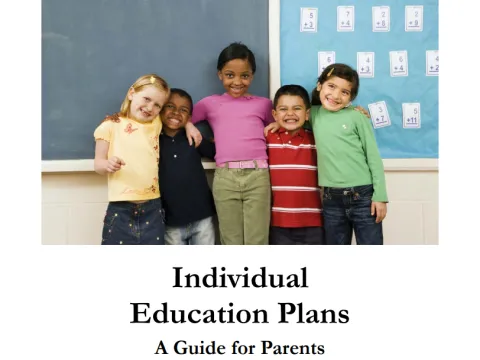
This BCCPAC guide helps parents understand what individual education plans (IEPs) are and explains how they can collaborate with educators to enhance their child's learning.

This resource provides parents and caregivers with information about how to talk about substance use with their child.
Video and discussion guide featuring families from different cultural backgrounds and health professionals sharing their experiences supporting a child or youth with a mental health challenge.
This resource offers parents and caregivers suggestions for engaging with their young child and understanding how that experience supports their child's development and well-being.
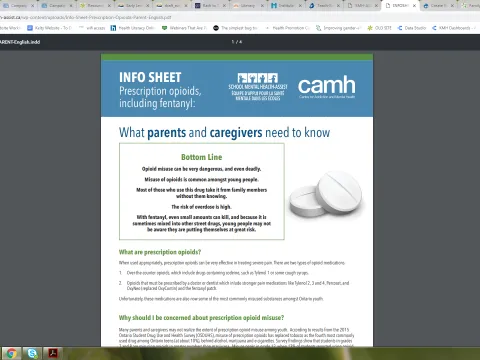
An info sheet for parents and caregivers on the topic of prescription opioid misuse. Includes information on preventing problems, and what to do if you suspect your child might be misusing opioids.

A therapeutic story with creative activities and worksheets to support children ages 5-10 who experience challenges related to anxiety, worry, fears and stress.

Professional Learning Powerpoint for Alexis Creek and Anahim Lake Schools, SD 27 Staff Professional Development Day
Through real stories, expertise, and practical tips, this podcast helps families promote their mental health and wellness, navigating important topics to meet you where you are in your journey.




Call 911 or go to your local hospital’s emergency room if you or anyone else’s safety is at risk and immediate help is needed.
If you or someone you know is thinking about ending their own life, or needs someone to talk to about suicidal thoughts or ideas:
For mental health or substance use crisis support:
For commonly asked questions about supports and services in BC, explore our Ask Kelty Mental Health tool.