All Resources
Videos
Anxiety Myths: What Every Family Should Know
Multi-language resource
Check out these resources that clear up some common misunderstandings to better support our kids.
Navigating Major Life Changes: Tips for Parents and Caregivers
Multi-language resource
Life changes like divorce, moving, or financial stress can be difficult for both parents and children. Check out these resources for tips for keeping communication open and guiding your child through these changes.
How to Prevent Eating Disorders in Your Child
Multi-language resource
Check out these resources to learn four ways to help your child have a healthy relationship with food and their body.
Understanding OCD: When to Seek Help for Your Child
Multi-language resource
OCD can look different for everyone. Check out these resources to help recognize some signs of OCD.
Talking About Self-Harm: A Guide for Parents and Caregivers
Multi-language resource
It can be overwhelming to discover your child is self-harming, but your support and understanding can make a huge difference.
Recognizing Self-Harm: How to Support Your Child
Multi-language resource
Self-harm is a way some teens express or manage intense feelings, not necessarily a desire to end their life. It’s natural to feel shocked, confused, guilty or angry when you find out that your child is self-harming.
How to Start the Conversation on Mental Health with Your Kids
Multi-language resource
Starting a conversation about mental health with your child can feel overwhelming, but it's one of the most important things you can do.
Talking About Eating Disorders: Tips for Parents & Caregivers
Multi-language resource
If you are worried that your child may have an eating disorder, it’s important to talk to them. Starting these conversations isn’t always easy, but your presence and willingness to listen without judgement make a huge difference.
How to Talk to Your Child About Cannabis
Multi-language resource
As your child grows, they may be exposed to cannabis. By having an open and curious conversation, you can help guide your child to make informed, safer decisions.
Supporting Your Child Through Grief and Loss
Multi-language resource
Children and youth grieve differently than adults but there are things you can do to help. Check out these resources for other ways to support your child through grief and loss.
Recognizing Teen Anxiety: How to Support Your Child
Multi-language resource
Starting a conversation about mental health with your child can feel overwhelming, but it's one of the most important things you can do. Check out these resources to help you get the conversation started.
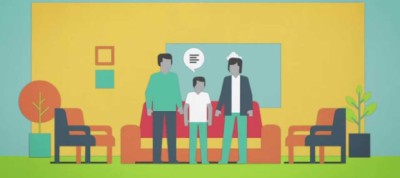
Part 2 What can Families expect Along the Way? Supporting Children & Youth with Mental Health Challenges
This video describes what families can expect when they meet with a health professional about their child’s mental health for the first time, and how to prepare themselves and their child for that first meeting.
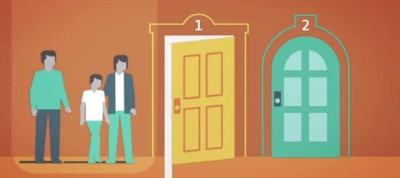
Part 1 Where can Families Start? Supporting Children & Youth with Mental Health Challenges
This video describes British Columbia’s mental health system and four different professionals families can connect with if they are concerned about their child or youth's mental health.
Accessing Child & Youth Mental Health Services
Presentation by Joshua Chin, Child & Youth Mental Health Clinician, Vancouver Coastal Health, on Accessing Child & Youth Mental Health Services (in Cantonese).
Websites
Our Kids' Health
Our Kid's Health shares evidence-based health information that is translated and adapted to help you make the right decisions for the health of your family.
Multicultural Mental Health Resource Centre
Provides resources in multiple languages to support culturally safe and competent mental health care for Canada's diverse population, with resources for patients, families, community organizations and health professionals.
Autism Community Training (ACT)
Provides province-wide information and educational opportunities on autism to support families and service providers.