DASH BC
Healthy Schools BC
A list of programs and supports for positive mental health, substance use, healthy living and school connectedness.
A list of programs and supports for positive mental health, substance use, healthy living and school connectedness.
Includes curriculum resources and lesson plans focused on drug literacy with the goal of encouraging students to both express and think critically about their current drug- and gambling-related beliefs, attitudes and behaviours.
These support groups are for individuals and families living with Tourette syndrome in communities where existing support and services may not be readily accessible. Includes virtual peer support groups for parents of youth children, parents, youth, and adults, as well as video presentations.
Learn more about information and strategies to cope with emotion dysregulation and explore the critical role which parents and caregivers play in creating the environment for positive change.
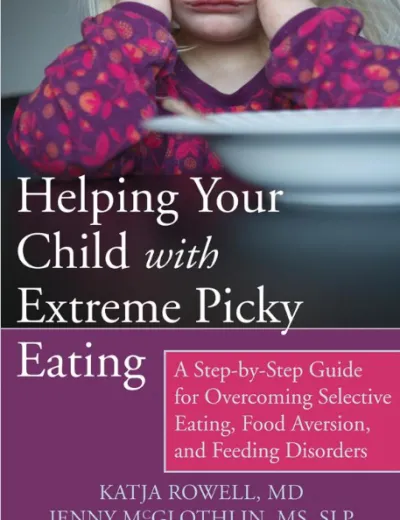
A step-by-step guide for overcoming selective eating, food aversion, and feeding disorders.
The Elementary Mental Health Literacy Resource is a classroom-ready resource designed to support multiple school environments, including in-person, online and hybrid instruction.
Find tips to help children get the most out of their sport experience, including a Sport Parent's Guide.
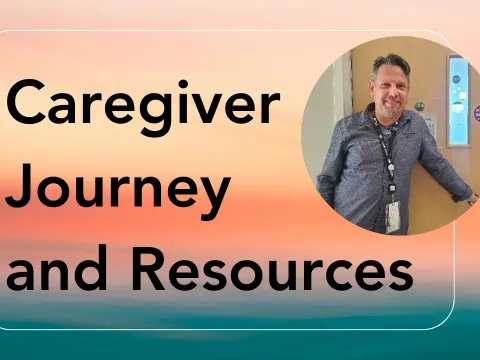
This webinar on the ADHD Caregiver Journey and Resources reviews some trusted ADHD resources, including the multidisciplinary ADHD team at B.C. Children’s Hospital, B.C. Children’s Kelty Mental Health Resource Centre, Rolling with ADHD, Compass BC consultation support for health care providers, Child and Youth Mental Health Teams, local parent programs, Foundry, Family Smart, CADDAC, and current research opportunities in the field of ADHD.
these are some words you want to keep it to around 180 characters in total. it's not that hard as you shouldn't be too wordy here.
Caring for someone with an eating disorder comes with a steep learning curve and questions that keep coming. FEAST 30 Days breaks it down — one lesson a day, straight to your inbox, written by people who've been where you are.
Webinar recording for parents & caregivers from the 'Selective Mutism & Reluctant Speakers: Practical Strategies' webinar (May 20, 2021).
Provides resources in multiple languages to support culturally safe and competent mental health care for Canada's diverse population, with resources for patients, families, community organizations and health professionals.
Through real stories, expertise, and practical tips, this podcast helps families promote their mental health and wellness, navigating important topics to meet you where you are in your journey.


Call 911 or go to your local hospital’s emergency room if you or anyone else’s safety is at risk and immediate help is needed.
If you or someone you know is thinking about ending their own life, or needs someone to talk to about suicidal thoughts or ideas:
For mental health or substance use crisis support:
For commonly asked questions about supports and services in BC, explore our Ask Kelty Mental Health tool.