How to Cope as a Caregiver or Friend for Someone Experiencing Psychosis
With a diagnosis, family and friends may experience relief and a sense of hope – realizing that psychosis can be effectively managed.
When young folks have questions about gender or sexuality, they are often looking for support. This section of QMUNITY's website offers FAQs and resources for parents and caregivers.
Dr. Greene provides a new conceptual framework for understanding "explosive children" who are lacking some crucial skills and require a different approach to parenting.
Simple mindfulness practices to help your child (ages 5-12) deal with anxiety, improve concentration, and handle difficult emotions.
Here are some general FAQs on types of therapy, with answers. If you have specific questions about the therapy prescribed to you or your child, ask the therapist you are seeing.
This guide for parents and caregivers outlines how they can work with schools to ensure their child is part of a safe and respectful school community.
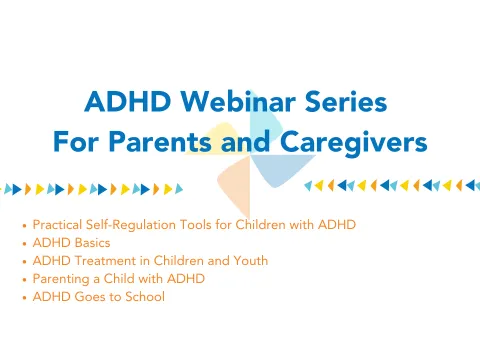
These webinars provide parents and caregivers with information on how ADHD is diagnosed, evidence based treatment for ADHD, self-regulation tools for children with ADHD, tips on parenting a child with ADHD, and how to help a child with ADHD at school.

In this minisode we are joined by Dr. Chris Willard, Harvard Psychologist, dad and author of ‘How To Grow Through What We Go Through.’
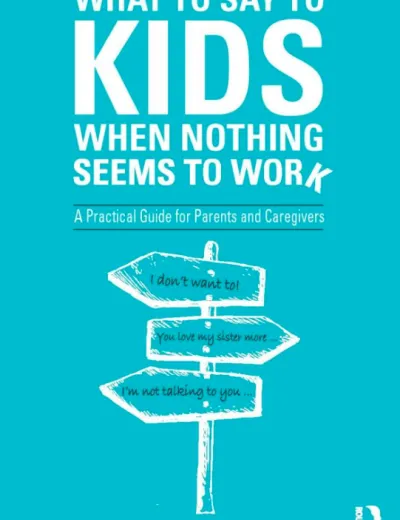
This book offers parents and caregivers a step-by-step guide to some of the most common struggles for kids aged 5–12. It includes a framework to explore new ways of responding to your child.
these are some words you want to keep it to around 180 characters in total. it's not that hard as you shouldn't be too wordy here.
Helping parents, caregivers, and educators gain the confidence and skills to support children's outdoor play.
The videos and resources here were created in collaboration with B.C. experts and families with lived experience. They aim to increase awareness about neurodiversity and mental health by exploring the different ways in which children and youth who are neurodivergent can experience mental health challenges.
Through real stories, expertise, and practical tips, this podcast helps families promote their mental health and wellness, navigating important topics to meet you where you are in your journey.
Call 911 or go to your local hospital’s emergency room if you or anyone else’s safety is at risk and immediate help is needed.
If you or someone you know is thinking about ending their own life, or needs someone to talk to about suicidal thoughts or ideas:
For mental health or substance use crisis support:
For commonly asked questions about supports and services in BC, explore our Ask Kelty Mental Health tool.