I am struggling to cope with my child’s illness. Where can I get support?
these are some words you want to keep it to around 180 characters in total. it's not that hard as you shouldn't be too wordy here.
these are some words you want to keep it to around 180 characters in total. it's not that hard as you shouldn't be too wordy here.
Looking Glass Foundation supports individuals affected by eating disorders and disordered eating. Through innovative and accessible programs and services, they provide community members with the support they need, no matter where they are on their recovery journey.
How to recognize these forms of severe, acute-onset OCD, how they are diagnosed, and the recommended treatments.
A database of resources to support inclusive and accessible physical activity for all British Columbians. There are resources for leaders in physical activity as well as some resources for parents.
A non-profit, free, and confidential service that connects the public to grief support services in BC, including suicide grief support and loss due to substance use. Services include bereavement support groups, a toll-free grief and loss helpline, and community events.
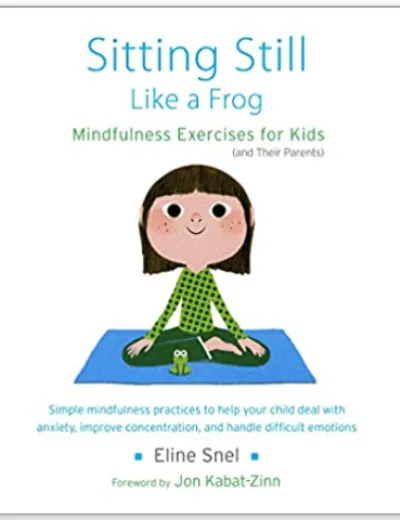
Simple mindfulness practices to help your child (ages 5-12) deal with anxiety, improve concentration, and handle difficult emotions.
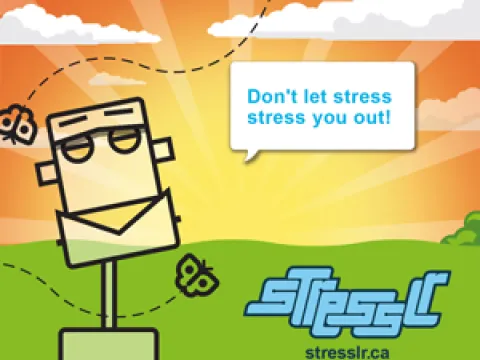
Free web app that provides a fun and engaging way for children to learn about stress, understand how they react to it, and develop healthy strategies to cope with stress in their daily lives.
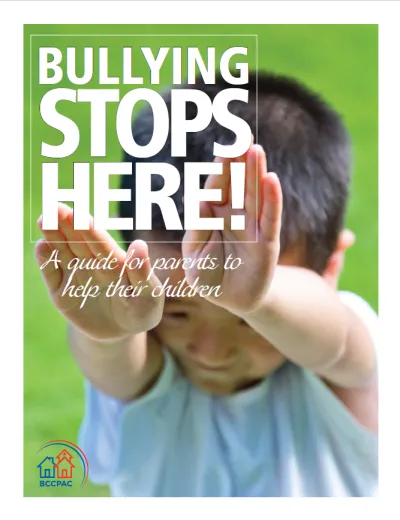
This guide for parents and caregivers outlines how they can work with schools to ensure their child is part of a safe and respectful school community.
POPFASD is a provincial resource program for school professionals. It aims to increase educators' capacity to meet the educational needs of students with FASD.
In this minisode we are joined by Dr. Chris Willard, Harvard Psychologist, dad and author of ‘How To Grow Through What We Go Through.’
A free online resource that helps parents support their children when someone in their life is dying or had died. It equips parents with the words and confidence needed to help children grieve life's losses in healthy ways.

A source of information for families wanting to understand and affirm their transgender, gender-expansive, or nonbinary child.
Through real stories, expertise, and practical tips, this podcast helps families promote their mental health and wellness, navigating important topics to meet you where you are in your journey.


Call 911 or go to your local hospital’s emergency room if you or anyone else’s safety is at risk and immediate help is needed.
If you or someone you know is thinking about ending their own life, or needs someone to talk to about suicidal thoughts or ideas:
For mental health or substance use crisis support:
For commonly asked questions about supports and services in BC, explore our Ask Kelty Mental Health tool.