Where can I find substance use services for youth?
these are some words you want to keep it to around 180 characters in total. it's not that hard as you shouldn't be too wordy here.
these are some words you want to keep it to around 180 characters in total. it's not that hard as you shouldn't be too wordy here.
A website of support for those caring for a child or youth (9-18 years old) with an eating disorder. This website provides educational videos on a variety of topics including treatment options, meal support, practical tips and more.

This book covers research-based parenting strategies for all families.
This presentation is a facilitated discussion to help share some practical ways to move through the challenges of being a parent of a young person with substance use challenges.
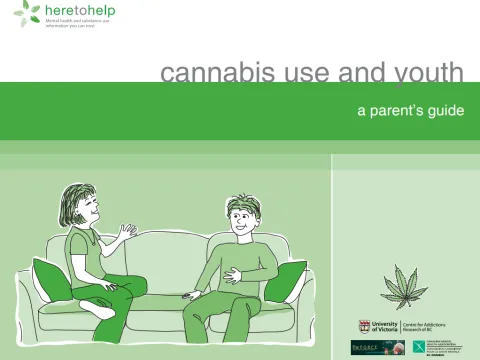
This guide explores facts and misunderstandings about cannabis and helps parents find ways to engage their children in conversations about cannabis.
Showing up means offering a quality of presence. And it’s simple to provide once you understand the four building blocks of a child’s healthy development which you'll learn in this book.
A supportive tool to help your child understand stress and recognize warning signs. You will also find helpful information to help them build a healthy coping strategies and create a personalized Safety Plan — with you by their side.
The aim of these prevention and early intervention videos and resources is to reduce stigma, increase mental health literacy, and build capacity of parents & caregivers, educators and others who are supporting youth experiencing suicidal and self-harm behaviours.
This 11-session program uses Behaviour Therapy to help your child become aware of their tics and what makes them worse. The program includes relaxation techniques and relapse prevention strategies.
Family Connections is a free, evidence-based 24-hour group program for people who are in a relationship with someone who has emotion dysregulation or related problems.
This TEDx Talk takes research and learning from several experts in the field of motivation and wellbeing and combines this with stories and examples to show why social connection and belonging is so essential to our health, happiness and success.
Through real stories, expertise, and practical tips, this podcast helps families promote their mental health and wellness, navigating important topics to meet you where you are in your journey.



Call 911 or go to your local hospital’s emergency room if you or anyone else’s safety is at risk and immediate help is needed.
If you or someone you know is thinking about ending their own life, or needs someone to talk to about suicidal thoughts or ideas:
For mental health or substance use crisis support:
For commonly asked questions about supports and services in BC, explore our Ask Kelty Mental Health tool.