BC Children's Hospital
Sibling Supports
BC Children’s Hospital has a dedicated Sibling Centre that provides safe, short-term sibling support that offer services in-person and online.
BC Children’s Hospital has a dedicated Sibling Centre that provides safe, short-term sibling support that offer services in-person and online.
The FamilySmart ‘In the Know’ series provides expert speakers on topics important to families and others supporting a child or youth with a mental health and/or substance use challenges.
The TLC Foundation for Body-Focused Repetitive Behaviors helps end isolation and shame for people experiencing hair pulling, skin picking, nail biting, cheek biting, and associated behaviors.
these are some words you want to keep it to around 180 characters in total. it's not that hard as you shouldn't be too wordy here.
Explore common questions and concerns about disordered eating, body image, mental health, self-compassion, and more. EmbodyBC equips parents and professionals with trusted resources to support young people before they develop an eating disorder.
This guide offers simple tips on what to expect, what to do and what to look out for to support your child in the wake of a traumatic event.
Provides information and resources about mental illness, substance use and healthy living topics. This website also including multilingual resources.
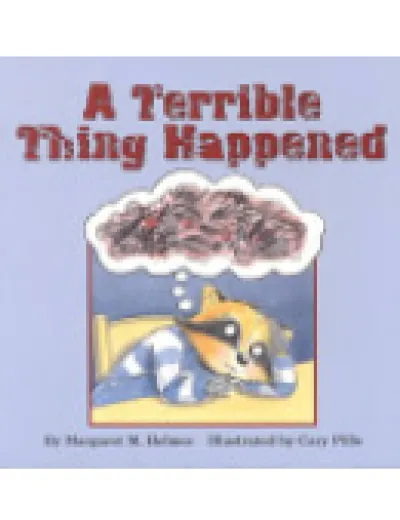
This gently told story is for children who have witnessed any kind of violence, accidents, homicide, suicide, or natural disasters. An afterword offers parents and caregivers suggestions for helping traumatized children.
Offers individualized behaviour support services for children and adults with autism or other developmental disabilities. They offer Triple P Stepping Stones workshops, as well as other workshops for families, care providers and professionals.
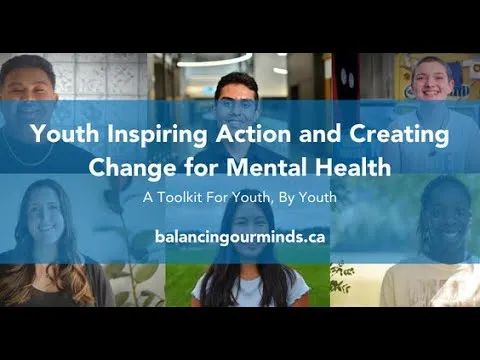
The Balancing Our Minds (BOM) Toolkit is a series of videos that aims to support and inspire youth wanting to make changes for improved mental health and well-being in their schools and communities. You can find the slides used in the presentation here.
Provided by the Ministry of Health; offers parents information regarding the development of babies and toddlers.

In this 'In the Know' session, hear from a young person with lived experience and a healthcare professional as they discuss what self-harm is, why youth self-injure, and other options for healthy coping strategies.
Through real stories, expertise, and practical tips, this podcast helps families promote their mental health and wellness, navigating important topics to meet you where you are in your journey.


Call 911 or go to your local hospital’s emergency room if you or anyone else’s safety is at risk and immediate help is needed.
If you or someone you know is thinking about ending their own life, or needs someone to talk to about suicidal thoughts or ideas:
For mental health or substance use crisis support:
For commonly asked questions about supports and services in BC, explore our Ask Kelty Mental Health tool.