Social & Emotional Learning Resource Finder
The Resource Finder provides a variety of resources to help school professionals learn about social and emotional learning, apply teaching methods and asses their efforts.
The Balancing Our Minds (BOM) Toolkit is a series of videos that aims to support and inspire youth wanting to make changes for improved mental health and well-being in their schools and communities. You can find the slides used in the presentation here.
POPFASD is a provincial resource program for school professionals. It aims to increase educators' capacity to meet the educational needs of students with FASD.
In this 'In the Know' session, hear from a young person with lived experience and a healthcare professional as they discuss what self-harm is, why youth self-injure, and other options for healthy coping strategies.
A free online resource that helps parents support their children when someone in their life is dying or had died. It equips parents with the words and confidence needed to help children grieve life's losses in healthy ways.
This booklet guides parents and caregivers on how to best support, love and appreciate their children and keep them safe, healthy and happy. Available in English, Traditional Chinese, Filipino, Korean, Punjabi and Vietnamese.
Read wisdom and insight from parents with lived experience, clinicians, and suicide prevention experts to guide what parents supporting suicidal youth needed to know to keep their child safe and alive.
Handout developed in partnership with Vancouver Coastal Health on mental health and mental health literacy .
these are some words you want to keep it to around 180 characters in total. it's not that hard as you shouldn't be too wordy here.
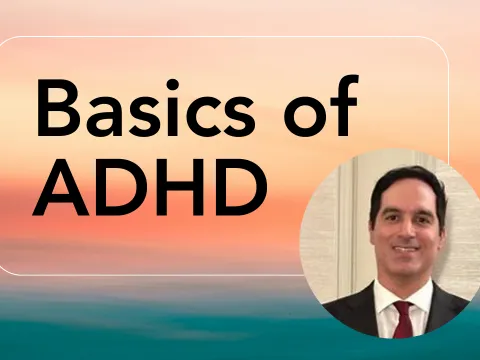
This webinar on the Basics of ADHD focuses on the history of ADHD, how ADHD is diagnosed, its prevalence, causes and myths, ADHD assessment, co-occuring conditions, and ADHD from the preschool to post-secondary years.
these are some words you want to keep it to around 180 characters in total. it's not that hard as you shouldn't be too wordy here.
Clinicians have struggled too with trying out different meal-support strategies over the years – from no-pressure-dinner-talk to more coercive techniques in the name of health and healing. In fact, Emotion-Focused Family Therapy (EFFT), and in particular the module on Emotion Coaching, was developed over a decade ago in response to this very dilemma. Turns out that when it comes to meal support, practical suggestions, including setting limits, are equally important as validation and emotional support – but it’s the order of operations that seems to be the most critical (more on that later). Now, therapists, nurses and clinicians worldwide employ these strategies in eating disorder programs across levels of care and teach and empower parents and caregivers to do the same.
Through real stories, expertise, and practical tips, this podcast helps families promote their mental health and wellness, navigating important topics to meet you where you are in your journey.
Call 911 or go to your local hospital’s emergency room if you or anyone else’s safety is at risk and immediate help is needed.
If you or someone you know is thinking about ending their own life, or needs someone to talk to about suicidal thoughts or ideas:
For mental health or substance use crisis support:
For commonly asked questions about supports and services in BC, explore our Ask Kelty Mental Health tool.