Dr. Dan Siegel
Inspire to Rewire - Dr. Dan Siegel
Information and resources on healthy brain development and how to help children and youth with emotional/self-regulation from Dr. Dan Siegel.
Information and resources on healthy brain development and how to help children and youth with emotional/self-regulation from Dr. Dan Siegel.
A site for parents to support their child's social and emotional development. The site offers a range of blog posts and resources related to social emotional development for parents, caregivers and families.
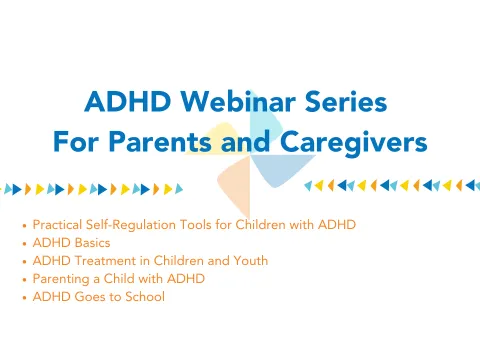
These webinars provide parents and caregivers with information on how ADHD is diagnosed, evidence based treatment for ADHD, self-regulation tools for children with ADHD, tips on parenting a child with ADHD, and how to help a child with ADHD at school.

This book shows you how to work with your child’s developing mind, peacefully resolve conflicts, and inspire happiness and strengthen resilience in everyone in the family.
This book offers parents and caregivers a step-by-step guide to some of the most common struggles for kids aged 5–12. It includes a framework to explore new ways of responding to your child.
This book helps break down the stigma of mental health challenges and walk parents and caregivers through the warning signs, risk factors, prevention strategies, and the process of diagnosis and treatment.
Powerpoint Slides for Part 1: Challenges with School Attendance. To watch the accompanying webinar recording, click here.
Multi-language resource
Starting a conversation about mental health with your child can feel overwhelming, but it's one of the most important things you can do. Check out these resources to help you get the conversation started.
these are some words you want to keep it to around 180 characters in total. it's not that hard as you shouldn't be too wordy here.
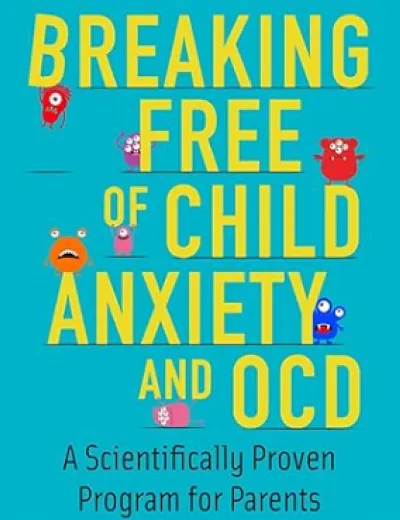
This book includes guidance and practical suggestions for parents and caregivers to understand childhood anxiety and OCD, learn how to talk with an anxious child, and avoid common traps and pitfalls.
Webinar recordings, powerpoint slides, and companion documents for our School Anxiety & Attendance Challenges webinar series for both elementary and high school professionals (January 2021).
Webinar recording from the 'Back to School: How To Promote Resilience and Set Your Kids Up For Success' webinar (September 2021).
Through real stories, expertise, and practical tips, this podcast helps families promote their mental health and wellness, navigating important topics to meet you where you are in your journey.




Call 911 or go to your local hospital’s emergency room if you or anyone else’s safety is at risk and immediate help is needed.
If you or someone you know is thinking about ending their own life, or needs someone to talk to about suicidal thoughts or ideas:
For mental health or substance use crisis support:
For commonly asked questions about supports and services in BC, explore our Ask Kelty Mental Health tool.